
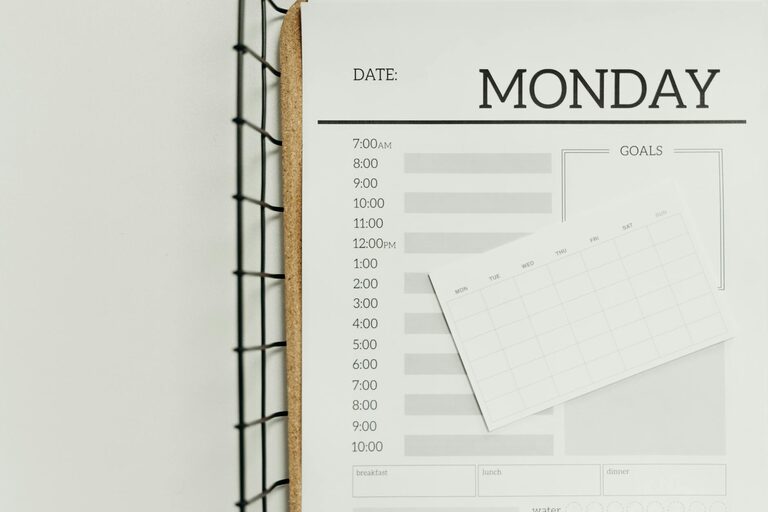
Creating a weekly reset routine is a powerful way to clear mental clutter, organize your tasks, and prepare for the days ahead with renewed energy. Whether your week feels overwhelming or you simply want to build a habit of self-care and organization, a reset routine offers a dedicated time to review, refresh, and refocus.
In this post, we’ll explore how to design a weekly reset routine that fits your lifestyle, helping you stay on track and feel balanced.
What is a Weekly Reset Routine?
A weekly reset routine is a designated time once a week—often on a weekend or a day off—when you step back from daily busyness to review your past week and prepare for the upcoming one. This routine can include tidying up your living or work space, planning tasks, reflecting on goals, and practicing self-care.
The goal is to create a clean slate mentally, physically, and emotionally so that you can start the new week feeling organized and energized.
Benefits of a Weekly Reset Routine
– Improved productivity: Clear goals and to-do lists help you focus.
– Reduced stress: Tidying up and planning reduces overwhelm.
– Better time management: Dedicated planning prevents last-minute rushes.
– Enhanced self-care: Time for yourself helps maintain balance.
– Increased motivation: Reflection encourages progress toward goals.
Step 1: Choose the Best Day and Time
The first step to designing your weekly reset routine is choosing when it will happen. Consider the day and time when you tend to have fewer commitments and feel more relaxed.
Tips for choosing your reset time:
– Pick a consistent day each week (Sunday evening and Saturday morning are popular).
– Block out 30 to 60 minutes to avoid rushing.
– Choose a quiet time with minimal distractions.
– Align the routine with your natural energy levels (morning or evening).
Step 2: Define Your Goals for the Reset
Knowing what you want to achieve with your weekly reset helps you stay focused. Your goals can be broad or specific, depending on your needs.
Common goals include:
– Organizing your physical space (desk, room, kitchen)
– Reviewing and planning tasks or appointments
– Reflecting on your accomplishments and challenges
– Setting priorities for the upcoming week
– Scheduling self-care activities
Write down your goals to clarify your routine’s purpose.
Step 3: Create a Simple Checklist
A checklist acts as your roadmap and ensures you don’t forget important steps. Start with broad categories and add specific tasks under each.
Example checklist items:
– Declutter workspace (put away items, throw out trash)
– Review calendar and upcoming events
– Update to-do list or planner
– Reflect on last week’s wins and lessons
– Set 3 main goals for next week
– Prepare meals or plan grocery shopping
– Practice a self-care activity (meditation, stretching, reading)
– Charge devices and organize tech space
Keep your checklist visible (print it or use a digital note) and adjust it over time as needed.
Step 4: Prepare Your Environment
Your space influences your mindset. A tidy, comfortable environment supports clarity and calm.
Tips for resetting your environment:
– Spend a few minutes cleaning surfaces and putting things away.
– Open windows to let in fresh air.
– Light a candle or use a diffuser with relaxing scents.
– Play your favorite calming music or nature sounds.
– Organize your tools or materials for work or hobbies.
A refreshed space can help you feel motivated and ready to start the new week.
Step 5: Schedule Time for Reflection and Planning
Reflection helps you recognize progress and identify areas to improve. Planning equips you to handle upcoming tasks with confidence.
Try this reflection and planning process:
– Review completed tasks and celebrate your wins.
– Note any unfinished tasks and decide how to approach them.
– Assess how well your past strategies worked.
– Set 3 to 5 clear goals for the coming week.
– Prioritize your tasks and allocate time slots if possible.
– Add appointments or commitments to your calendar.
This process builds clarity and reduces the feeling of being overwhelmed.
Step 6: Incorporate Self-Care Activities
Your weekly reset isn’t just about work and chores. Including self-care promotes overall well-being and prevents burnout.
Ideas for self-care during your reset:
– Practice mindfulness or meditation for 5–10 minutes.
– Engage in gentle stretching or yoga.
– Read a book or listen to a podcast you enjoy.
– Take a relaxing bath or pamper yourself.
– Write in a journal about your thoughts and feelings.
– Spend time outdoors, even if just for a short walk.
Choose activities that help you feel calm and recharged.
Step 7: Stick to Your Routine, but Be Flexible
Consistency is important when forming a habit, so aim to perform your weekly reset around the same day and time. However, life can be unpredictable, and it’s okay to adjust your routine when needed.
Tips to maintain your routine:
– Set reminders on your phone or calendar.
– Keep your checklist handy to stay organized.
– If you miss a week, don’t get discouraged—resume as soon as you can.
– Update your routine if certain steps feel time-consuming or less helpful.
Remember, your weekly reset routine is your personal tool to feel balanced and productive, not a source of stress.
Bonus: Sample Weekly Reset Routine (45 Minutes)
| Step | Time (minutes) | Description |
|—————————-|—————-|———————————————–|
| Declutter and tidy space | 10 | Clear desk, put away items, trash any junk |
| Reflect on last week | 10 | Review goals, note successes and lessons |
| Plan upcoming week | 15 | Set goals, update calendar and to-do list |
| Self-care activity | 10 | Meditate, journal, or stretch |
Feel free to tailor these steps and times to your preferences.
Final Thoughts
Designing a weekly reset routine is a simple yet effective way to bring structure, calm, and intention into your life. By setting aside regular time to tidy up, plan, reflect, and care for yourself, you build momentum for weekly success.
Start small, be kind to yourself, and watch how this weekly habit enhances your focus and well-being.
—
If you enjoyed this guide, consider sharing your own weekly reset tips in the comments! What works best for you?