
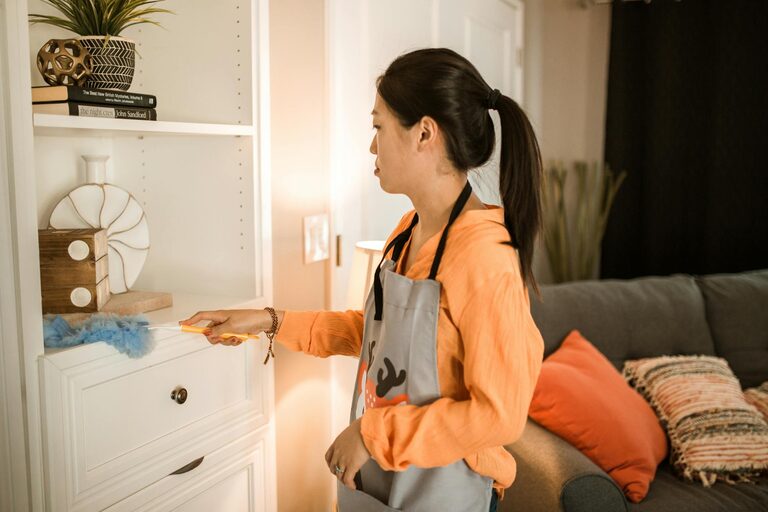
Keeping up with household chores can sometimes feel like a never-ending battle. Between work, family, and other responsibilities, finding the time and energy to stay on top of cleaning and tidying might seem daunting. Thankfully, with a few smart strategies, chores can become more manageable and less stressful. In this post, we’ll explore practical tips to help you simplify your routine and maintain a cleaner, more organized home.
1. Create a Realistic Chore Schedule
One of the most effective ways to keep chores manageable is by organizing them into a clear schedule. Instead of trying to do everything at once, spread tasks throughout the week.
How to build an effective chore schedule:
– Break down chores by frequency (daily, weekly, monthly).
– Assign specific tasks to specific days (e.g., laundry on Tuesdays, vacuuming on Fridays).
– Use a planner or digital calendar to set reminders.
– Be flexible—allow room for adjustments when needed.
A consistent schedule helps prevent chores from piling up and reduces last-minute stress.
2. Break Tasks into Smaller Steps
Large chores like cleaning the entire kitchen or doing a deep clean can feel overwhelming. To make them easier, divide bigger tasks into smaller, more manageable steps.
Example:
Instead of “clean the kitchen,” try:
– Clear countertops
– Wash dishes
– Wipe surfaces
– Sweep the floor
This approach provides a sense of progress and motivation to keep going.
3. Use Timers to Stay Focused
Setting a timer can turn chores into focused, short bursts of activity instead of long, tedious sessions.
Try this technique:
– Choose a task.
– Set a timer for 15-20 minutes.
– Work nonstop during that time.
– Take a short break after the timer ends.
This method, inspired by the Pomodoro technique, helps reduce procrastination and can make chores feel less exhausting.
4. Delegate and Share Responsibilities
If you live with family members or roommates, don’t hesitate to share the workload.
Tips for effective delegation:
– Make a chore chart to keep track of who does what.
– Rotate tasks regularly to spread responsibilities fairly.
– Encourage teamwork, such as cleaning together for a set time.
Sharing chores not only lightens your load but encourages cooperation and responsibility.
5. Keep Cleaning Supplies Handy
Having cleaning tools and supplies readily available saves time and effort. Instead of searching for products every time, keep essential items organized and accessible in each major area of the home.
Suggestions:
– Store basic cleaning items under the kitchen sink.
– Keep bathroom cleaners in the bathroom.
– Use portable caddies for cleaning supplies to carry from room to room.
This small step reduces friction and makes it easier to tackle messes as they happen.
6. Declutter Regularly
A cluttered space often makes chores more challenging and time-consuming. Minimizing unnecessary items can simplify cleaning and organizing.
How to start decluttering:
– Set aside 10-15 minutes weekly to focus on one area.
– Sort items into categories: keep, donate, recycle, or trash.
– Avoid accumulating items by adopting a “one in, one out” policy.
Fewer belongings mean less to clean and maintain, making chores more manageable.
7. Make Chores Enjoyable
Chores don’t have to be a dreaded task. Finding ways to make them enjoyable can change your attitude and increase productivity.
Ideas to make chores fun:
– Listen to your favorite music, podcast, or audiobook while working.
– Turn cleaning into a game by timing yourself or challenging family members.
– Reward yourself after completing tasks, such as a treat or relaxation time.
Changing your perspective about chores can transform them from a burden into a more positive experience.
8. Set Realistic Expectations
It’s important to remember that homes don’t have to be perfect all the time. Setting realistic standards can reduce pressure and make chores more manageable.
Keep in mind:
– Prioritize the most important tasks that impact daily living.
– Accept that some areas may not be spotless every day.
– Focus on progress, not perfection.
Being kind to yourself during chore routines helps prevent burnout and maintain motivation.
9. Incorporate Chores into Your Daily Routine
Integrating small chores into everyday activities helps prevent build-up.
Examples include:
– Wiping down the bathroom sink after use.
– Doing a quick 5-minute tidy before bedtime.
– Cleaning as you cook to avoid piles of dishes later.
These little habits save time and effort over the long run.
Conclusion
Making chores more manageable comes down to planning, breaking tasks into smaller steps, sharing responsibilities, and adjusting your mindset. Creating a routine that fits your lifestyle and staying consistent will gradually reduce stress and keep your home feeling fresh and welcoming. Remember, even small progress adds up—so start implementing these tips little by little, and enjoy the benefits of a more organized space.
—
By adopting these strategies, you can take control of household chores and make them a seamless part of your everyday life. Happy cleaning!