
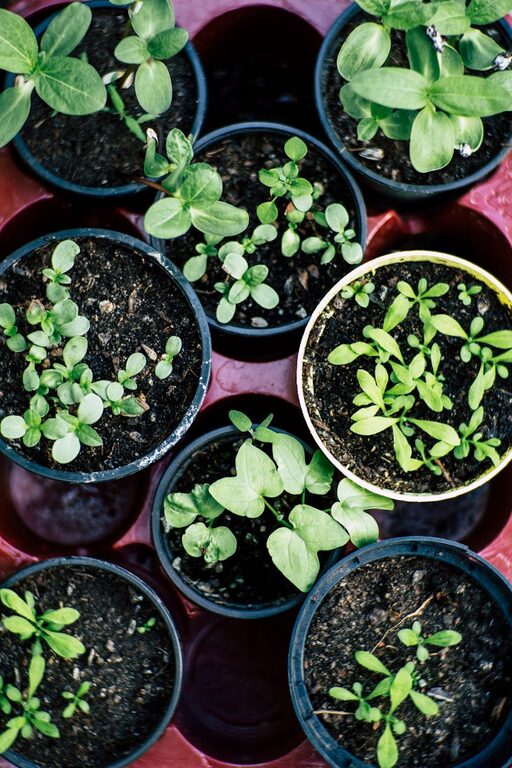
Starting an indoor herb garden is a rewarding way to bring fresh flavors into your cooking while brightening your home. Whether you have a spacious kitchen window or just a small corner, growing herbs indoors is easier than you might think. This guide will walk you through everything you need to know to get started on your small indoor herb garden.
Why Grow Herbs Indoors?
Having fresh herbs within reach can transform your meals and enhance your kitchen’s atmosphere. Indoor herb gardening offers several benefits:
– Convenience: Harvest herbs whenever you want without a trip outside.
– Freshness: Use fresh, aromatic herbs for better flavor.
– Year-round gardening: No worries about seasonal changes.
– Air quality: Some herbs can help purify indoor air.
– Decorative appeal: Green plants add beauty and liveliness to your space.
Choosing the Right Herbs for Indoor Growing
Not all herbs thrive indoors equally. Start with varieties known for their ease of care and adaptability to indoor conditions:
– Basil: Enjoy its sweet and peppery leaves, perfect for many dishes.
– Mint: Hardy and fast-growing with a refreshing aroma.
– Parsley: Versatile for garnishes and cooking.
– Chives: Mild onion flavor and attractive look.
– Thyme: Aromatic with small leaves great for savory meals.
– Oregano: Popular in Mediterranean cuisine and easy to grow.
– Cilantro: Adds fresh, citrusy notes but can be a bit trickier indoors.
You can choose one herb or create a small mixed garden depending on your kitchen space.
What You’ll Need to Start Your Indoor Herb Garden
Before planting, gather your materials:
– Containers or pots: Choose pots with good drainage holes.
– Potting mix: Use a high-quality, well-draining organic potting soil.
– Seeds or starter plants: Beginners can find starter plants easier, but seeds are budget-friendly.
– Watering can or spray bottle: For gentle watering.
– Fertilizer: Organic liquid fertilizer or slow-release pellets.
– Light source: Natural sunlight or grow lights.
– Labels (optional): Helps identify different herbs.
Step-by-Step Guide to Setting Up Your Herb Garden
1. Select the Location
Most herbs require plenty of sunlight—ideally, 6-8 hours of direct light daily. A south-facing window is a prime spot. If natural light is limited, supplement with a grow light placed 6-12 inches above your plants.
2. Prepare Your Containers
Pick pots with enough room for roots to grow but small enough to fit your space. Fill them with moist potting mix, leaving about an inch of space from the top.
3. Plant Your Herbs
– Seeds: Follow package instructions for depth and spacing. Lightly cover seeds with soil.
– Starter plants: Gently remove the plant from its nursery container, loosen the roots, and plant it in the new pot at the same soil level.
Water the soil to settle it around the roots.
4. Watering Tips
Keep the soil consistently moist but not soggy. Overwatering can cause root rot, so check soil moisture by touching it an inch below the surface before watering again.
5. Provide Adequate Light
Turn your pots regularly so all sides of the plant receive light and grow evenly. Consider investing in a timer for grow lights to maintain consistent light exposure.
6. Feeding Your Herbs
Feed your plants once every two to four weeks with a diluted liquid fertilizer or according to instructions on your fertilizer package. Avoid overfeeding as it can harm the herbs.
Maintaining Your Indoor Herb Garden
Growing herbs indoors requires a bit of care to keep plants healthy and productive.
Pruning and Harvesting
Regular pruning encourages growth. Harvest herbs by snipping leaves or stems just above a leaf node. This approach promotes bushier plants and prevents legginess.
Pest Management
While indoor herbs generally face fewer pest issues than outdoor gardens, watch for common problems such as aphids or spider mites. Wipe leaves with a mild soap solution if needed.
Repotting
If your herbs outgrow their pots, repot them into slightly larger containers with fresh potting soil.
Troubleshooting Common Issues
– Yellow leaves: Could be a sign of overwatering or poor drainage.
– Leggy plants: Often due to insufficient light.
– Slow growth: Might need more fertilizer or better lighting.
– Wilting: Usually caused by drought or root problems.
Keeping a close eye on your plants will help you catch problems early.
Tips for Success
– Start small with a few herbs before expanding.
– Choose herbs you use most often.
– Maintain good air circulation around pots.
– Keep pets away from plants that might be toxic.
– Experiment with different containers, from traditional pots to creative recycled containers.
Conclusion
Starting a small herb garden indoors is an enjoyable project that brings fresh flavors and greenery into your home. With some basic supplies, a sunny spot, and regular care, you can nurture your herbs and enjoy their benefits year-round. So, get your pots and seeds ready, and start growing your indoor herb garden today!
Happy gardening!