
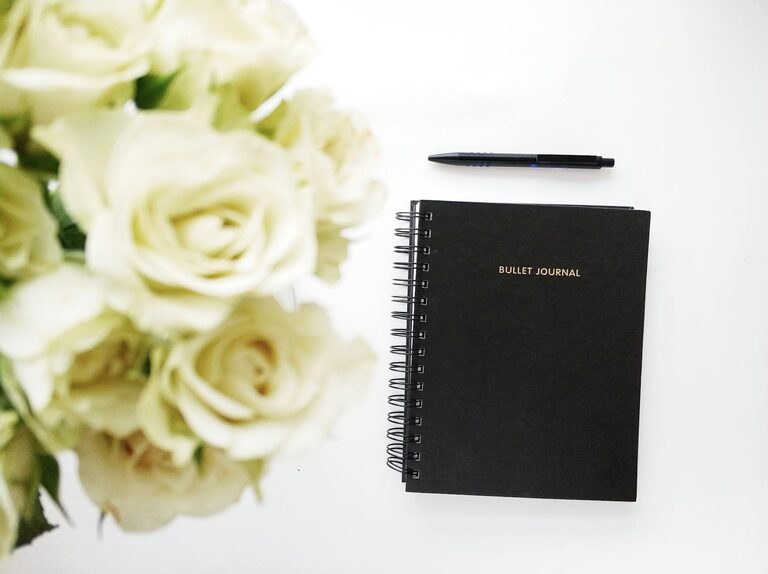
What Is Bullet Journaling?
Bullet journaling, often called “BuJo,” is a flexible and creative way to organize your tasks, goals, and ideas all in one notebook. Developed by Ryder Carroll, it combines a planner, diary, to-do list, and sketchbook into a single system. The beauty of bullet journaling is that it adapts to your unique style, whether you prefer simple lists or artistic spreads.
Why Start Bullet Journaling?
If you have ever felt overwhelmed by your schedule or struggled to keep track of your goals, bullet journaling can help. It encourages mindfulness and focus by capturing your thoughts and plans on paper. Plus, it’s a screen-free way to feel more in control of your day-to-day life.
Benefits include:
– Better time management
– Increased productivity
– Creative outlet for self-expression
– Reduced stress through organization
– Customized to fit your needs
Essential Supplies to Get Started
You don’t need expensive tools to begin—just a few basics will do.
Must-haves:
– Notebook: Dot-grid notebooks are popular, but lined or blank work fine. Choose a size that feels comfortable.
– Pen: A reliable pen with smooth ink flow is great. Many bullet journalists like fineliners or gel pens.
– Ruler: Helps create straight lines and tidy spreads.
– Optional: Colored pens, markers, stickers, or stamps for decoration.
Understanding the Core Components
Bullet journals use specific “modules” or sections to keep everything organized. Here are the essentials to include:
1. Index
A table of contents for your journal. As you add pages, list their titles and page numbers here for quick reference.
2. Future Log
This section is for long-term plans or events coming up in the next few months. Think appointments, birthdays, holidays.
3. Monthly Log
A calendar view of the current month, along with a task list or goals to focus on during that time.
4. Daily Log
Daily to-do lists, events, and notes. Tasks are recorded as bullet points, using simple symbols to indicate their status.
How to Use Bullets and Symbols
One of the hallmarks of bullet journaling is the use of symbols or “bullets” to quickly organize information.
| Symbol | Meaning |
|——–|———————————|
| • | Task |
| x | Completed task |
| > | Task migrated to another day |
| < | Task scheduled for the future |
| – | Note or general information |
| o | Event |
You can customize these symbols or create your own based on what makes sense to you.
Step-by-Step Guide to Setting Up Your First Bullet Journal
Step 1: Create Your Index
Reserve the first few pages for the index. Write “Index” at the top and leave the pages blank for now.
Step 2: Set Up a Future Log
Divide a double-page spread into 6 or 12 sections (one per month). Note important dates and plans.
Step 3: Make a Monthly Log
On a new page, write the month at the top. Create a numbered list from 1 to 30/31 down the side for the days of the month. Next to each number, jot down appointments or events. On the facing page, write your monthly tasks.
Step 4: Start Your Daily Logs
Write today’s date and list your tasks using bullets. Check off or migrate tasks as needed. You can add notes or events here too.
Tips for Staying Consistent
– Keep it simple: Don’t feel pressured to create elaborate layouts right away. Start with basic lists.
– Set aside time: Spend 5–10 minutes each morning or evening updating your journal.
– Use your journal daily: The more you use it, the more helpful it becomes.
– Be flexible: Modify your spreads to suit your routine and priorities.
– Inspire yourself: Look online for ideas and templates, but make it your own.
Fun Ideas to Personalize Your Journal
Once you’ve mastered the basics, you might like to add creative touches.
– Track habits like water intake or exercise.
– Make mood logs to reflect on your feelings.
– Include doodles, quotes, or favorite photos.
– Create budget or meal planning pages.
– Use color coding to visually separate categories.
Common Challenges and How to Overcome Them
– Feeling overwhelmed: Start with just the daily log before adding more sections.
– Skipping days: Try to journal at the same time each day and keep your journal visible.
– Perfectionism: Remember, this is your tool. It doesn’t need to be perfect to be effective.
Final Thoughts
Bullet journaling is a powerful system to help you organize your thoughts, tasks, and goals while expressing your creativity. It’s adaptable to any lifestyle and requires only basic supplies to start. By committing to this simple habit, you may find your days more productive, focused, and enjoyable.
Give bullet journaling a try today—you’ll be surprised how much it can improve your planning and help you stay on track! Happy journaling!